
Group Service
Cross Country
Choquequirao Trek 4 Days – 3 Nights
View images


Choquequirao Trek Peru – 4 Day Hidden Inca City Adventure
Overview
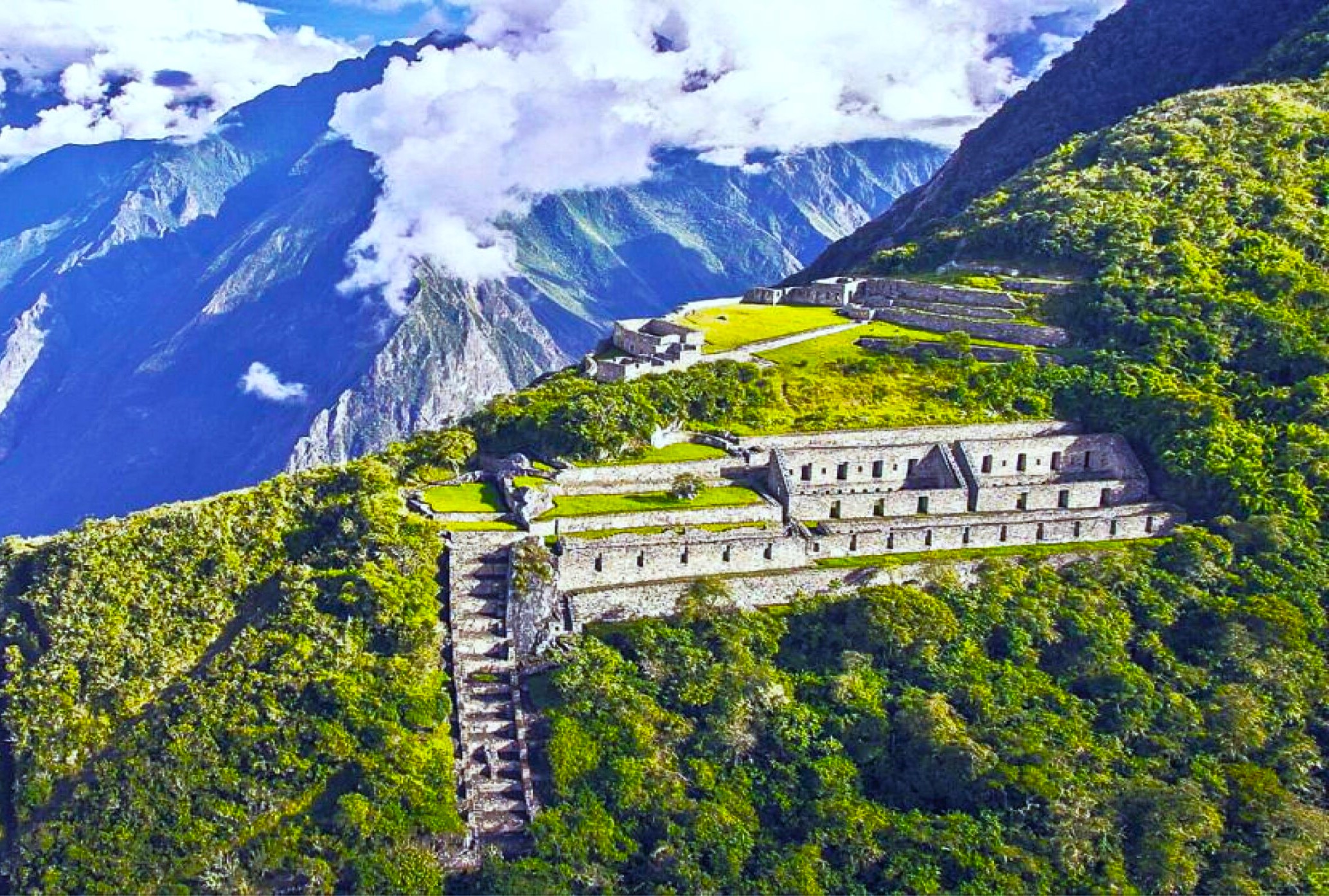
The Choquequirao Trek is one of the most spectacular hiking adventures in Peru and one of the best alternative treks to Machu Picchu. This 4-day expedition from Cusco takes you deep into the Andes Mountains to discover Choquequirao, the legendary hidden Inca city surrounded by massive canyons, snow-capped peaks, and untouched landscapes.
Far from the crowds of the Classic Inca Trail, this trek offers a more authentic and challenging experience for adventure travelers seeking nature, culture, and breathtaking scenery. Along the route, you will hike ancient Inca paths, cross the dramatic Apurimac Canyon, encounter local Andean communities, and explore one of the most mysterious archaeological sites in South America. Enhance your Peru adventure by adding a Sauna Sacred Valley Cusco tour perfect for rejuvenating after outdoor activities.
At BikingPeruTrek, we create unforgettable trekking experiences with professional local guides, small groups, and personalized service for travellers who want to explore the real Peru.
Spanish
Map
WHY CHOOSE THIS CHOQUEQUIRAO TREK?
A True Hidden Inca City Experience
Choquequirao is often called the “Sister City of Machu Picchu,” but with far fewer visitors. Unlike Machu Picchu, this archaeological site remains remote, wild, and deeply connected to nature.
Incredible Mountain Scenery
The route crosses one of the deepest canyons in the world- the Apurimac Canyon- surrounded by glaciers, cloud forests, and dramatic Andean landscapes.
Less Crowded Than the Inca Trail
This trek is ideal for travelers seeking authentic trekking experiences in Peru without the crowds.
Expert Local Guides
Our experienced guides from Cusco share local history, Andean traditions, and trekking expertise throughout the journey.
Sustainable Tourism
By traveling with BikingPeruTrek, you support local communities and responsible tourism in remote Andean regions.
What to expect
This trek is a true physical challenge, with steep ascents and descents, changing weather, and altitudes reaching over 3,000 meters (9,800 ft). You should have moderate to high fitness and be comfortable with 6–8 hours of hiking per day.
Terrain: dirt paths, rocky inclines, forested switchbacks
Difficulty: Moderate to Difficult
Best season: April to November (dry season)
But with the challenge comes unparalleled reward. You’ll walk through raw nature, meet friendly locals, and witness landscapes few tourists ever see. Each night at camp feels remote yet peaceful, surrounded by mountain silence and starry skies.
“A true challenge for adventurers.”
“Discover the Inca citadel and the stunning Apurímac Canyon.”
These are not just phrases. They reflect what you’ll live, breathe, and never forget on this trek.
Inclusions
Tour includes:
- Professional English/Spanish-speaking guide
- Round-trip transportation (Cusco – Cachora – Cusco)
- Camping equipment (tents, sleeping mats, dining gear)
- All meals during the trek (vegetarian options available)
- Mules and muleteers to carry equipment
- Entrance fee to Choquequirao archaeological site
- First aid kit and oxygen
- Briefing prior to departure
Not included:
- Sleeping bag (available for rent)
- Personal snacks, water bottles, and trekking poles
- Tips for the guide and muleteers
- Travel insurance
CHOQUEQUIRAO VS MACHU PICCHU
Why Many Travelers Prefer Choquequirao
| Choquequirao Trek | Machu Picchu |
|---|---|
| Very few tourists | Crowded during high season |
| Remote adventure | Easy tourist access |
| More physical challenge | More accessible |
| Authentic trekking experience | More commercial tourism |
| Untouched landscapes | Popular destination |
For adventure travelers and hikers looking for an off-the-beaten-path experience, the Choquequirao Trek is one of the best treks in Peru.
What should I pack?
For a successful and comfortable trek, be sure to pack:
- Comfortable trekking boots
- Sleeping bag (rated for cold nights)
- Headlamp and extra batteries
- Reusable water bottle
- Sunscreen, insect repellent, hat
- Personal snacks and electrolytes
BEST TIME TO HIKE THE CHOQUEQUIRAO TREK
The best season for the Choquequirao Trek is during the dry season from April to November, when skies are clearer and trekking conditions are ideal.
The rainy season from December to March can bring muddy trails and heavy rain, although the landscapes become greener and more dramatic.
Day 1: Cusco – Cachora – Chiquisca
Depart Cusco early and drive ~4 hours to Cachora.
Begin the trek descending into the Apurímac Canyon, enjoying sweeping views.
Arrive at Chiquisca campsite by afternoon.
Dinner and overnight under star-filled skies.
Day 2: Chiquisca – Choquequirao – Marampata
Early start with a steep ascent to Choquequirao.
Explore the Inca ruins, terraces, temples, and ceremonial areas.
Continue a short hike to Marampata, perched on a ridge with panoramic canyon views.
Overnight stay at Marampata campsite.
Day 3: Marampata – Choquequirao – Chiquisca
Return to Choquequirao for deeper exploration and more photography.
Learn about the citadel’s architecture, water systems, and Inca symbolism.
Begin descent to Chiquisca, where the landscape shifts once again.
Overnight at Chiquisca.
Day 4: Chiquisca – Cachora – Cusco
Early morning trek back to Cachora, with final views of the Apurímac Canyon.
Return drive to Cusco by afternoon.
End of service.
Price
380
Book now
Tour: Choquequirao Trek 4 Days – 3 Nights
Group service
Tour guide
Tourist Transportation
Train
Transfer
Bicycle
Biking Equipment
Hostel
01 Breakfast
01 Buffet Lunch
01 Dinner
Entrance tickets
Group service: Daily departures, in a maximum group of 8 passengers.
Show more +You might also like
Frequently Asked Questions (FAQs)
Yes. Choquequirao is considered more physically demanding due to steep ascents and remote access, but it’s also less crowded and more rewarding.
Absolutely. Spend at least 2 days in Cusco before departure to adjust to altitude.
It’s possible but not recommended. The trail is long, remote, and lacks signage. A guided tour ensures safety, gear, meals, and deeper insights into the site.
Basic facilities are available at campsites, but be prepared for rustic conditions.
Comfortable trekking boots
Sleeping bag (rated for cold nights)
Headlamp and extra batteries
Reusable water bottle
Sunscreen, insect repellent, hat
Personal snacks and electrolytes